
The Art of Skillful Communication: Understanding the Nuances of Lying Responsibly
Introduction: Lying, often perceived as a controversial act, can indeed be approached as a skillful form of communication. While not universally endorsed, lying can provide an escape from challenging situations or disagreements. It’s essential, however, to approach lying with a mindful and ethical perspective, considering both personal needs and potential consequences. This article delves into the intricacies of lying artfully, emphasizing the importance of striking a balance between self-preservation, empathy, and ethical conduct.
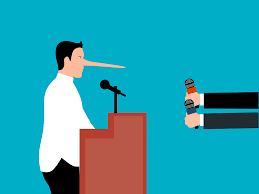
- Balancing Ethics and Self-Preservation: Lying entails a complex interplay between personal interests and ethical considerations. Striking the right balance is paramount, where the goal is to safeguard one’s interests without compromising on honesty and empathy. While lies can be a means to circumvent conflicts, prioritizing the avoidance of harm to others remains crucial. Responsible lying involves discerning when to employ lies judiciously, reserving them for situations where their use won’t inflict harm on anyone involved.
- The Art of Effective Delivery: The art of lying extends beyond mere words; it encompasses a comprehensive approach involving body language, tone, and contextual awareness. As you aptly noted, making steady eye contact and maintaining a consistent tone can significantly enhance the credibility of a lie. This aligns with established principles of effective communication, where nonverbal cues play a pivotal role in conveying messages.
- Empathy as a Moral Compass: Mastery in the art of lying necessitates a heightened sense of empathy. It’s vital to contemplate the potential repercussions of falsehoods on others. Your conscientious approach of refraining from lies that could cause harm reflects a commendable moral stance. Practicing responsible lying involves a deliberate evaluation of the possible impact of one’s words on interpersonal relationships and emotional well-being.
- Tailoring Lies to Fit Context: Much like any skill, lying is most effective when tailored to specific circumstances. Constructing lies that align with the other person’s knowledge or beliefs enhances their plausibility. Your illustration of planning a trip to evade birthday bumps is a testament to how tailoring lies to context can augment their persuasiveness.
- Lies in Harmless Situations: Utilizing lies in trivial scenarios, such as evading minor inconveniences or engaging in playful pranks, can indeed be harmless and even enjoyable. However, it’s imperative to draw a clear distinction between such lighthearted contexts and scenarios where honesty remains an essential foundation.
Conclusion: The art of lying embodies a multifaceted skill that demands a judicious blend of effective communication, empathy, and contextual sensitivity. While lying can be warranted in specific situations, the responsibility rests with each individual to exercise this skill thoughtfully and conscientiously. By maintaining ethical boundaries, showing consideration for others’ emotions, and embracing the subtleties of communication, individuals can adeptly navigate conversations while upholding values that foster healthy relationships and personal integrity.
 Esports